Digital Marketing for Nonprofits: 2026 Playbook

Digital marketing for nonprofits is the strategic use of online channels to expand cause awareness, engage donors, and improve fundraising results. The most effective nonprofit marketing programs combine Google Ad Grants, AI-ready SEO, social media for charities, and data-driven content into a single, coordinated system. Free resources like the Google Ad Grant give eligible 501(c)(3) organizations $10,000 per month in free search advertising. That budget alone can transform a nonprofit's digital outreach, but only if the team knows how to claim it, maintain compliance, and build on it strategically.
What digital marketing channels should nonprofits prioritize?
The right channel mix depends on your goals, but a clear hierarchy exists. Start with what costs nothing, then add paid layers once you have data.
Google Ad Grants: your free search engine foundation
The Google Ad Grant offers eligible 501(c)(3) nonprofits $10,000 per month in free Google Search ads, capped at $329 per day per campaign. That is the largest free digital ad budget available to any organization. The grant does not cover display, video, or social advertising, and Google requires a 5% minimum click-through rate to keep the account active. Most nonprofits underutilize this resource because maintaining compliance and optimizing campaigns takes real discipline. The payoff for doing it right is significant: free, high-intent traffic from people already searching for your cause.
Social media: where community actually lives
Social media for charities works best when you treat each platform differently. Facebook Groups now outperform public Pages for donor cultivation because the algorithm prioritizes community engagement over broadcast content. Organic reach on standard Facebook Pages is nearly gone. Shift your energy to a private or public Group where members comment, share stories, and recruit their own networks. For paid social, a focused $100 per month Meta ad campaign with sharp audience targeting frequently outperforms a poorly targeted $1,000 spend. Start small, test one audience segment, and scale what works.

SEO built for AI search results
Search engine optimization for nonprofits now requires a second layer of thinking. Google's AI Overviews appear at the top of results for many mission-driven queries, and most nonprofit content is not structured to be cited there. Structured data markup, clear mission statements, and topical authority pages give your site the best chance of appearing in those AI-generated summaries. This is not optional anymore. If your content does not answer questions directly and concisely, a competitor's content will fill that space.
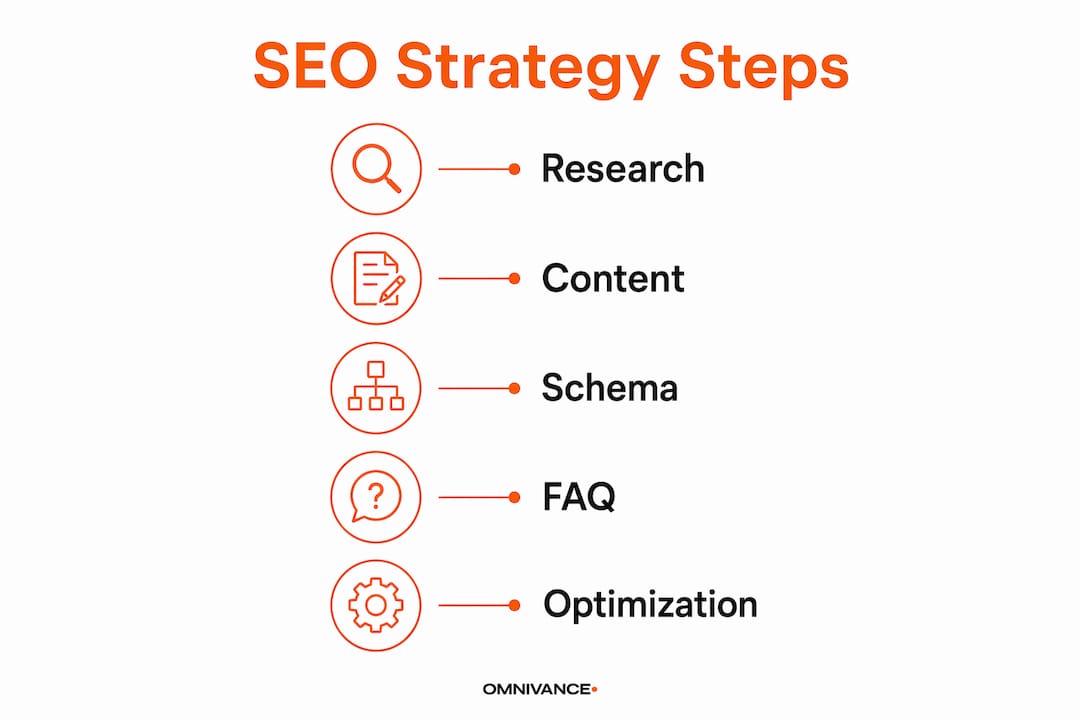
Pro Tip: Write one dedicated FAQ page for each core program or cause area your nonprofit runs. Short, direct answers to common questions are exactly what AI Overview systems pull from.
How can nonprofits turn digital engagement into fundraising results?
Converting awareness into donations requires a clear donor journey and disciplined ad spending. The three stages are awareness, consideration, and conversion. Each stage needs different content and different metrics.
-
Awareness stage. Run Google Ad Grant campaigns targeting high-intent keywords like "donate to [cause]" or "volunteer for [cause] near me." Publish short-form video content that tells a beneficiary story in under 60 seconds. The goal here is reach, not revenue.
-
Consideration stage. Retarget website visitors with paid Meta ads showing impact reports, testimonials, or event invitations. Email sequences that educate subscribers about your programs move people from curious to committed. Track email open rates and event RSVPs as your key indicators.
-
Conversion stage. Your donation page does the heavy lifting here. 43% of online donations now come from mobile devices. A donation form that takes more than three taps to complete will lose a significant share of those givers. Add a recurring giving option prominently, not buried in fine print. Recurring donors give more over time and reduce the cost of re-acquisition.
Peer-to-peer fundraising adds another multiplier. When existing donors create personal fundraising pages for your cause, they bring in their own networks at zero additional ad cost. Platforms built for peer-to-peer campaigns make setup straightforward for donors with no technical background.
Pro Tip: Measure meaningful conversion actions like donations, email signups, and event RSVPs, not just clicks. Your third ad iteration will almost always outperform your first, so commit to at least three rounds of testing before drawing conclusions.
The spending hierarchy matters as much as the tactics. Claim your full Google Ad Grant first. Add small, tightly targeted paid social tests second. Only scale paid spend after you have conversion data proving what works. This sequence, outlined by digital advertising specialists at Whole Whale, delivers the best return on limited nonprofit budgets.
What emerging trends should nonprofit marketers adopt in 2026?
The biggest shifts in 2026 involve how people discover content and how platforms reward it. Nonprofits that adapt early gain a measurable visibility advantage.
-
AI Overview optimization. Structure your website content with clear headers, concise answers, and schema markup. AI-driven search features now populate the top of many nonprofit-related queries, but most cited content does not come from nonprofit sites yet. That gap is your opportunity.
-
Cross-platform vertical video. Produce one high-quality short-form vertical video and distribute it across TikTok, Instagram Reels, Facebook, and YouTube Shorts. This single-production approach is resource-efficient and reaches audiences across every major platform without multiplying your production workload.
-
LinkedIn for institutional donors. LinkedIn's organic reach for long-form posts and video content remains strong compared to other platforms. Use it to reach foundation program officers, corporate social responsibility teams, and major gift prospects. A single well-written impact post can generate partnership conversations that no paid ad would reach.
-
Emerging AI social channels. Platforms like Grok are gaining search and social market share quickly. Nonprofits that post consistently and advocate actively on these channels now can build early discoverability before the space becomes crowded.
Building an owned audience through email lists and direct publishing platforms protects your nonprofit from algorithm changes on any single social platform. Social reach is borrowed. Email reach is owned. Prioritize growing your list alongside every campaign you run.
The Facebook Groups versus public Pages distinction deserves extra attention. Groups create a sense of membership and shared identity that Pages cannot replicate. Donors who feel like insiders give more, advocate more, and stay longer. Treat your Group as a community, not a broadcast channel. Post questions, share behind-the-scenes updates, and respond to every comment in the first 24 hours.
How should nonprofits measure digital marketing performance?
Measurement without a framework produces noise, not insight. The table below maps the most important metrics to each stage of the donor journey.
| Funnel stage | Primary metric | What it tells you |
|---|---|---|
| Awareness | Impressions, reach | How many new people saw your message |
| Consideration | Email open rate, video views | Whether your content holds attention |
| Conversion | Donation rate, cost per donor | Whether your ask is landing effectively |
| Retention | Recurring gift rate | Whether donors trust you enough to commit long-term |
Track these metrics weekly, not monthly. Weekly reviews let you catch underperforming ads before they drain budget. Monthly reviews are too slow for paid campaigns where every dollar counts.
Qualitative feedback matters as much as the numbers. Survey new donors within 48 hours of their first gift. Ask what motivated them and how they found you. That data reveals which channels and messages actually drive decisions, not just clicks. Combine survey responses with Google Analytics conversion paths to build a complete picture.
Budget allocation should follow performance data, not assumptions. If your Google Ad Grant campaigns generate email signups at a lower cost than paid Meta ads, shift content production resources toward search-optimized landing pages. If a Facebook Group post drives more donation page visits than any paid ad, invest more time in community management. The best advertising strategy for limited budgets is always the one backed by your own conversion data.
Key Takeaways
Effective digital marketing for nonprofits requires a disciplined hierarchy of free resources, targeted paid tests, and continuous measurement tied to real donor actions.
| Point | Details |
|---|---|
| Claim Google Ad Grants first | $10,000/month in free search ads is the largest free ad budget available to nonprofits. |
| Build community in Facebook Groups | Groups outperform public Pages for donor cultivation because the algorithm rewards engagement. |
| Optimize for AI Overviews | Structure content with clear answers and schema markup to appear in AI-generated search results. |
| Measure donations, not just clicks | Track conversions like donations, RSVPs, and email signups to judge real campaign performance. |
| Own your audience through email | Email lists protect your reach from social platform algorithm changes and declining organic visibility. |
What I've learned about nonprofit digital marketing that most guides skip
The conventional advice tells you to "be on every platform." That is the wrong instinct for a nonprofit with a small team and a tight budget. The organizations I have seen succeed pick two or three channels, go deep, and ignore the rest until they have capacity to expand.
Google Ad Grants is the clearest example of this principle. The grant is free money, but it requires real work to maintain. Teams that treat it as a set-and-forget tool lose compliance and lose the account. Teams that assign one person to review it weekly, test new keywords monthly, and align ad copy with landing page content see consistent, compounding returns.
The authenticity point is not a cliché. Donors scroll past polished corporate-style content and stop for real stories told by real people. A 45-second phone video of a program participant sharing their experience will outperform a produced brand video almost every time. That is not a budget problem. That is a content strategy insight.
The nonprofits that will win in 2026 are the ones building owned platforms alongside their social presence. An email list of 5,000 engaged subscribers is worth more than 50,000 social followers you cannot reach without paying. Start building that list now, and treat every campaign as a list-growth opportunity, not just a fundraising moment.
— laya
How Omnivancemedia helps nonprofits grow their digital reach
Nonprofit marketing teams face a real challenge: limited staff, limited budget, and platforms that change their rules constantly. Omnivancemedia builds integrated marketing systems that combine SEO for AI search, multi-channel paid advertising, CRM automation, and video production into one coordinated program. That means your Google Ad Grant campaigns, social content, and donor email sequences all work together instead of pulling in different directions.
Omnivancemedia has helped clients across industries generate measurable revenue growth by replacing fragmented tactics with a single, data-driven system. Nonprofit teams ready to stop managing five separate vendors and start seeing results from a unified approach can explore all services or connect directly with the Omnivancemedia team to discuss your organization's goals.
How do nonprofits optimize a Google Ad Grants account beyond claiming it?
Claiming the grant is the easy part. Most accounts underperform because they are set up once and left alone. Optimization is what turns free impressions into donations and volunteer signups.
Structure campaigns around programs, not your whole mission
Build separate campaigns for each program or initiative rather than one broad "support our cause" campaign. Distinct campaigns for, say, food-bank donations, volunteer recruitment, and educational programs let you match ad copy to search intent and see which cause areas actually convert. Tight themes also raise your Quality Scores, which directly affects how often your ads show.
Protect your Quality Scores
Google holds grant accounts to stricter standards than paid advertisers. Keep keywords closely grouped by theme, write ad copy that names a specific impact, and use every relevant ad extension to earn more of the results page. Single-word keywords and overly generic terms are restricted and drag performance down, so favor long-tail phrases with clear intent.
Send grant traffic to dedicated landing pages
Do not point ad clicks at your homepage. Build a landing page for each campaign whose headline and offer mirror the ad that sent the visitor there. State a concrete ask ("$50 provides a week of meals"), keep the donation or signup form short, and remove competing links. Then set up conversion tracking in Google Analytics 4 and Google Tag Manager so you can attribute donations, volunteer signups, and newsletter subscriptions back to specific campaigns and keep optimizing on real outcomes.
How does local SEO drive volunteer recruitment?
Search advertising captures donors, but volunteers and event attendees usually come from community-level searches. Local SEO is how you show up for them.
Claim and fully complete your Google Business Profile, then use it actively: post upcoming events, current volunteer needs, and volunteer spotlights rather than treating it as a static listing. Keep your Name, Address, and Phone (NAP) identical across every directory and profile so search engines trust your location data. For organizations serving multiple areas, publish a dedicated page for each service region with specific, local details instead of one generic "locations" page.
Pro Tip: Include real volunteer testimonials and the specific roles you need filled on your local pages and Google Business Profile posts. "We need three Saturday drivers this month" converts far better than "volunteers welcome."
How can CRM automation deepen donor relationships?
A donor CRM is what keeps relationships alive between campaigns, and automation is what makes that possible for a small team. The goal is not to remove the human touch, but to make sure no thank-you, renewal reminder, or milestone update ever falls through the cracks.
Prioritize a platform with automated gift acknowledgment, donor segmentation, recurring-gift management, and built-in reporting. Nonprofit-focused options range from full suites like Salesforce Nonprofit Cloud to more approachable tools like DonorPerfect, Bloomerang, and Little Green Light for smaller budgets. Choose based on your team's size and technical capacity, not the longest feature list.
The highest-leverage use is automated stewardship. Set trigger-based messages for donation anniversaries, first-gift thank-you sequences, program milestones, and lapsed-donor re-engagement. These touches run in the background and keep supporters feeling seen without adding to anyone's task list. Layer in a donor-support chatbot and predictive retention scoring once the fundamentals are running, so staff time goes to the relationships that most need a human.
What email segmentation and automation sequences retain donors?
Email remains the channel your nonprofit actually owns, and its return climbs sharply once you stop sending the same broadcast to everyone. Segment your list by giving history, volunteer participation, cause interest, and engagement level, then write distinct tracks for first-time donors, recurring supporters, volunteers, corporate partners, and lapsed donors. A message that speaks to where someone already is will always outperform a one-size-fits-all send.
Build a small set of automated sequences and let them run:
- Welcome series for new subscribers that introduces your mission and programs.
- Thank-you sequence triggered immediately after a gift, with a specific impact statement.
- Volunteer onboarding that walks new volunteers through their first steps.
- Re-engagement campaign for supporters who have gone quiet.
Reinforce these with quarterly impact reports and seasonal appeals. The transparency of showing exactly what a gift accomplished is what earns the next one.
How does brand storytelling and visual identity build donor trust?
Donors give to organizations they recognize and believe in, and consistency is what builds that recognition. Define a brand voice that pairs professional credibility with genuine emotion, then hold that tone steady across your website, emails, social posts, and fundraising materials. Ground it in real beneficiary and volunteer stories rather than abstract mission language.
Visual identity does the same work at a glance. A consistent logo, color palette, typography, and image style make your organization look established and trustworthy across every touchpoint, which matters when a first-time donor is deciding in seconds whether you are legitimate. Treat brand guidelines as a fundraising asset, not a design luxury.
FAQ
What is Google Ad Grants for nonprofits?
Google Ad Grants gives eligible 501(c)(3) nonprofits $10,000 per month in free Google Search advertising. The grant requires a 5% minimum click-through rate and does not cover display or social ads.
How does social media help nonprofit fundraising?
Facebook Groups drive stronger donor engagement than public Pages because the algorithm favors community interaction. Paid Meta ads with tight audience targeting, even at $100 per month, can effectively retarget website visitors and convert them into donors.
What does AI Overview optimization mean for nonprofits?
AI Overview optimization means structuring your website content with clear answers, schema markup, and topical authority so Google's AI-generated search summaries cite your pages. Most nonprofit queries currently show AI Overview results with no nonprofit content cited, which represents an open opportunity.
How should nonprofits measure online fundraising success?
Track meaningful conversion actions like donations, email signups, and event RSVPs rather than clicks alone. Map each metric to a specific funnel stage: reach for awareness, open rates for consideration, and donation rate for conversion.
What is the best ad spending strategy for a nonprofit with a small budget?
Claim your full Google Ad Grant first, then add small paid social tests with sharp audience targeting. Scale paid spend only after conversion data shows which messages and audiences actually produce donations.